
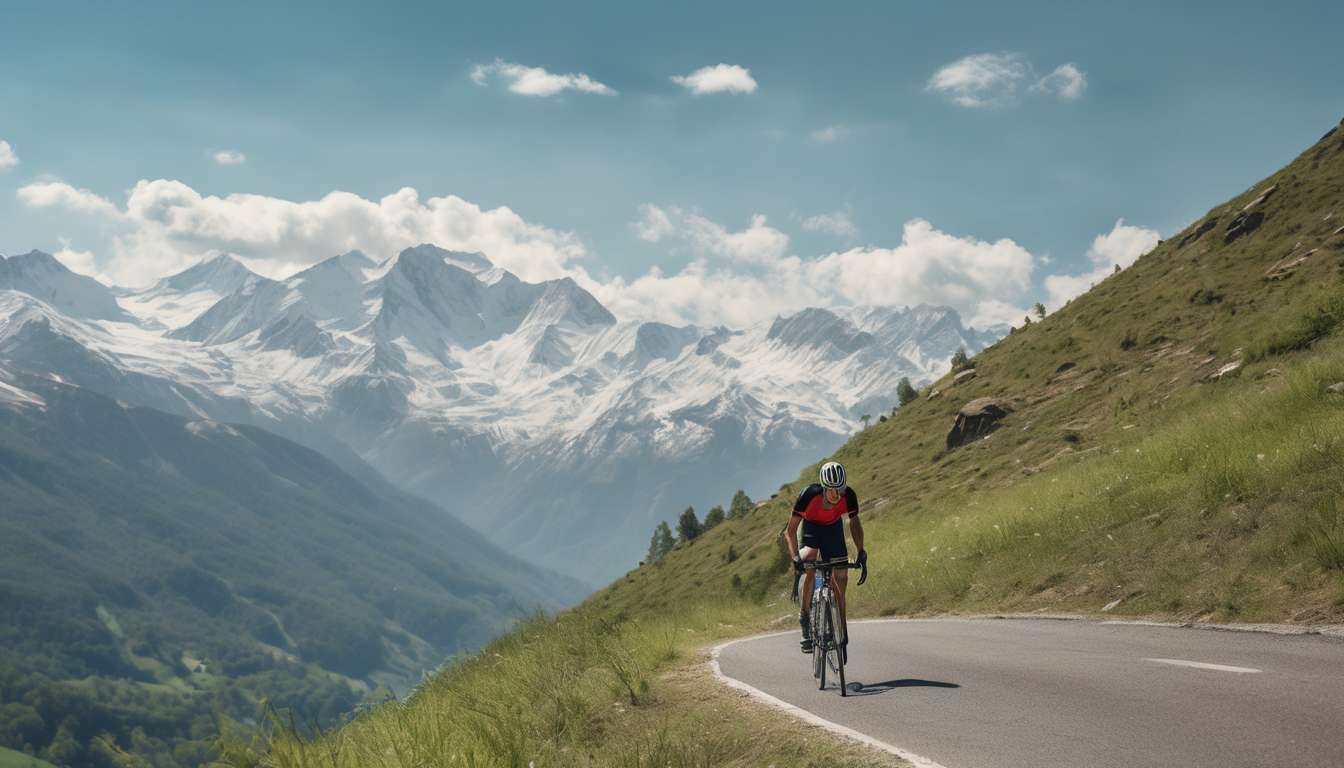
As avid cyclists, we understand the thrill and challenge that comes with conquering different terrains. Our journeys often take us to varying altitudes, and with these changes, we face unique performance factors that can make or break our cycling experience.
In this article, we delve into the intricate relationship between altitude and cycling performance, exploring how our bodies react, adapt, and sometimes struggle with the oxygen-sparse air found at higher elevations.
Key Concepts:
-
Altitude Adaptation:
- At higher elevations, the air contains less oxygen, which can impact physical performance.
- Our bodies must adapt to these conditions to maintain endurance and power.
-
Body Reactions and Adaptations:
- Increased breathing rate and heart rate to compensate for less oxygen.
- Production of more red blood cells to improve oxygen transport.
-
Challenges:
- Initial symptoms like shortness of breath and fatigue.
- Potential altitude sickness in extreme cases.
Personal Anecdotes:
We share personal stories from high-altitude rides, illustrating both the struggles and triumphs encountered. These experiences highlight the resilience required and the exhilarating sense of accomplishment upon completion.
Practical Tips for High-Altitude Cycling:
-
Preparation:
- Acclimate gradually by spending time at higher altitudes before intense cycling.
- Stay hydrated to help with acclimatization.
-
During the Ride:
- Pace yourself and listen to your body.
- Use proper nutrition to fuel your body efficiently.
-
Recovery:
- Allow ample time for recovery after high-altitude rides.
- Consider using recovery techniques like stretching and massage.
Our goal is to equip our community of cyclists with the knowledge to not only survive but thrive in these challenging conditions. We aim to transform what can be an intimidating aspect of cycling into an opportunity for growth and achievement.
Let’s pedal forward into the world of high-altitude cycling, turning challenges into triumphs and embracing the unique experiences that come with each ride.
Altitude Adaptation
Adapting to high altitudes can significantly enhance a cyclist’s performance by increasing red blood cell production. This adaptation process, known as altitude adaptation, allows us to transport oxygen more efficiently through our bodies.
As cyclists looking to improve our endurance and strength, embracing this change can be a game-changer. Together, we can tackle the challenges of acclimatization and reap the benefits of increased oxygen transport.
When we train at high altitudes, our bodies gradually adjust to the reduced oxygen levels, prompting them to produce more red blood cells. This natural boost in oxygen-carrying capacity can make us feel like we’re part of an elite group, capable of achieving more on our rides.
Sharing this journey with fellow cyclists not only fosters a sense of community but also encourages us to push our limits.
By embracing altitude adaptation, we’re not just enhancing our individual performance—we’re strengthening our collective spirit as cyclists, united in our pursuit of peak performance.
Body Reactions
Our bodies undergo a series of physiological changes when we train at high altitudes, and understanding these reactions can help us optimize our cycling performance.
Altitude Adaptation:
- As we engage in altitude adaptation, our bodies start to acclimatize by producing more red blood cells, which assist in improving oxygen transport.
- This process is crucial for us cyclists as it supports our endurance and stamina during high-altitude rides.
- By embracing these adaptations, we become stronger and more resilient as a community.
Acclimatization Symptoms:
- During acclimatization, we might initially experience symptoms like shortness of breath or fatigue.
- These are natural as our bodies adjust to the lower oxygen levels.
Physical Adjustments:
- Our breathing rate increases.
- Our muscles learn to utilize oxygen more efficiently.
- As we continue to train, our bodies gradually adapt.
Community Impact:
- Understanding our body’s responses to altitude helps us connect with each other.
- It allows us to push boundaries as a cohesive group, sharing victories and pushing our limits together.
By comprehending these changes, we enhance our performance and camaraderie, making us a stronger cycling community.
Oxygen Transport
Efficient Oxygen Transport
Efficient oxygen transport is essential for cycling performance, as it directly influences endurance and recovery.
Altitude Adaptation
When cycling at higher altitudes, our bodies must adapt to the reduced oxygen levels. This process, known as altitude adaptation, involves physiological changes that enhance our oxygen transport capabilities.
- Our bodies produce more red blood cells.
- This increases our ability to carry oxygen to our muscles.
This adaptation ensures we stay strong and connected as a cycling community, even when the air gets thin.
Acclimatization
Acclimatization is crucial for optimizing performance. By gradually exposing ourselves to higher elevations, we can enhance our oxygen transport efficiency.
- This process allows us to push our limits.
- It helps us achieve our collective goals.
It’s a shared journey of resilience and growth as we adjust to these new challenges together.
Community and Commitment
Embracing altitude adaptation strengthens not just our physical capabilities but also our bond as cyclists. We are united by our commitment and passion for the sport.
Initial Symptoms
When we first begin cycling at high altitudes, we might notice initial symptoms like shortness of breath and increased fatigue. These are common experiences as our bodies start the process of altitude adaptation. Our muscles crave more oxygen, but the thin air doesn’t supply us with what we’re used to at lower elevations. We’re all in this together, feeling that shared struggle as we pedal upward.
The key to overcoming these initial symptoms lies in understanding oxygen transport and how our bodies adjust. As we acclimatize, our systems work harder to transport oxygen more efficiently, gradually enhancing our performance. This process of acclimatization is essential for all of us in the cycling community who push our limits in higher altitudes.
Together, we embrace this challenge, knowing that each breath and each pedal stroke brings us closer to adapting. Let’s support one another through this journey, as we experience the highs and lows of altitude cycling together.
Altitude Sickness
Many of us experience altitude sickness when cycling at high elevations, with symptoms such as headaches, nausea, and dizziness. These symptoms can be discouraging, especially when striving to push our limits together. As a community, understanding altitude sickness is essential for improving our cycling performance.
At higher altitudes, the air pressure drops, leading to reduced oxygen levels. This reduction can challenge our bodies’ oxygen transport mechanisms, which are crucial for maintaining performance. However, altitude adaptation can help us overcome these barriers.
Our bodies undergo physiological changes to enhance oxygen transport capabilities over time. This process, known as acclimatization, involves:
- Increasing red blood cell production
- Improving lung function
While we can’t completely prevent altitude sickness, recognizing its signs and understanding how our bodies adapt can foster a sense of unity and preparedness among us. By sharing our experiences and knowledge, we can support each other in tackling the challenges that high-altitude cycling presents.
Acclimatization Tips
To effectively acclimate to high altitudes, gradually increase exposure by spending a few days at intermediate elevations before tackling the highest peaks. This approach allows our bodies to adjust progressively.
Altitude adaptation isn’t just about physical change; it’s a communal journey that enhances our shared experiences as cyclists. This journey fosters a sense of unity as we adapt together.
During the adaptation process, our bodies improve oxygen transport efficiency, which is crucial for:
- Maintaining performance
- Reducing fatigue
We can assist in this adaptation by:
- Staying well-hydrated
- Eating balanced meals
- Listening to our bodies
It’s important to:
- Rest adequately
- Avoid overexertion
Doing so promotes a supportive environment where we encourage each other to thrive.
Acclimatization is a collective endeavor that strengthens our bonds as a cycling community. By:
- Sharing tips
- Being mindful of each other’s progress
We create a sense of belonging. Let’s embrace this journey together, ensuring everyone feels prepared and confident to conquer those majestic mountain rides.
Riding Strategies
Let’s explore effective riding strategies to enhance our cycling performance and tackle challenging routes with confidence.
Altitude Adaptation:
When we ride at high altitudes, our bodies require time for altitude adaptation to improve oxygen transport. This means incorporating acclimatization into our training plan is key.
- By gradually increasing our exposure to higher elevations, we can better prepare for the reduced oxygen levels.
Pacing During Climbs:
We should focus on pacing ourselves during climbs.
- Starting at a moderate speed allows us to conserve energy and maintain steady breathing, preventing premature fatigue.
- It’s crucial to listen to our bodies, adjusting our effort based on how we feel, ensuring we don’t overexert ourselves.
Hydration and Nutrition:
Hydration and nutrition are equally important.
- Consuming adequate fluids and energy-dense snacks keeps our bodies fueled for the journey.
Community and Support:
Joining group rides is a great way to share experiences and support each other, fostering a sense of community.
Together, these strategies not only enhance our performance but also strengthen our bond as a cycling community.
Post-Ride Recovery
Proper post-ride recovery is crucial for rejuvenating our muscles and preparing for future rides. When cycling at high altitudes, our bodies need to adapt to lower oxygen levels. Altitude adaptation plays a significant role in how effectively we recover, as our muscles and tissues rely on efficient oxygen transport to repair and strengthen after a ride. By focusing on acclimatization, we can enhance our body’s ability to deliver oxygen where it’s needed most.
In our community of cyclists, we share the understanding that recovery isn’t just a personal endeavor; it’s a collective journey. We prioritize:
- Hydration
- Nutrition
- Rest
These elements support our shared goal of improved performance.
Embracing techniques like:
- Active recovery
- Stretching
Helps us fight fatigue and fosters a sense of unity.
Let’s remember, as we tackle those challenging climbs and breathtaking descents, that our post-ride rituals are key to staying strong and connected in our cycling family.
How does altitude impact the type of cycling gear needed for a trip?
Altitude and Cycling Gear Considerations
Altitude affects the cycling gear required for a trip by influencing both our body’s performance and the available oxygen levels.
When riding at higher altitudes, the air is thinner, which makes it harder to breathe and perform at our usual level. To optimize the cycling experience at higher altitudes, we may need to adjust our gear to account for these changes. Key adjustments include:
- Ensuring proper ventilation to facilitate better breathing.
- Using lightweight materials to reduce the physical strain.
- Considering oxygen supplementation for extreme altitudes.
These adjustments help maintain performance and comfort when cycling in high-altitude environments.
What are the best travel destinations for high-altitude cycling experiences?
When it comes to high-altitude cycling experiences, there are several breathtaking destinations worth considering.
Notable locations include:
- The Swiss Alps
- Colorado’s Rocky Mountains
- The Andes in South America
These places offer:
-
Challenging Terrain: Each location provides complex and demanding routes that test your cycling skills.
-
Stunning Views: Enjoy some of the most beautiful and panoramic landscapes in the world.
-
Thrilling Workouts: The altitude and terrain ensure a workout that is both physically demanding and rewarding.
-
Nature Exploration: Experience nature at its finest, with diverse ecosystems and natural beauty.
If you’re looking for an adventure that will take your cycling skills to new heights, these destinations are a must-visit!
How can one prepare their bicycle for high-altitude conditions?
When preparing our bicycles for high-altitude conditions, we focus on several key adjustments:
Tire Pressure
- Adjust tire pressure to accommodate the thinner air, which can affect traction and control.
Chain Lubrication
- Ensure proper chain lubrication to prevent mechanical issues due to increased friction and dryness at higher elevations.
Brake Performance
- Check brake performance to ensure reliability on steep descents and challenging terrain.
Gear Ratios
- Pay attention to gear ratios and make any necessary adjustments to handle the elevation changes more effectively.
Regular Maintenance
- Perform regular maintenance to prevent issues during rides, as the conditions at high altitudes can be more demanding on the equipment.
By taking these steps, we optimize our biking experience and ensure our bikes perform well in challenging terrain.
Conclusion
In conclusion, when cycling at altitude, your body undergoes crucial adaptations to cope with the decreased oxygen levels.
Understanding the symptoms of altitude sickness and implementing acclimatization tips can enhance your performance and overall riding experience.
By incorporating effective riding strategies and prioritizing post-ride recovery, you can optimize your performance and enjoyment while cycling at higher altitudes.
Remember, preparation and awareness are key in conquering the challenges of riding in elevated environments.