
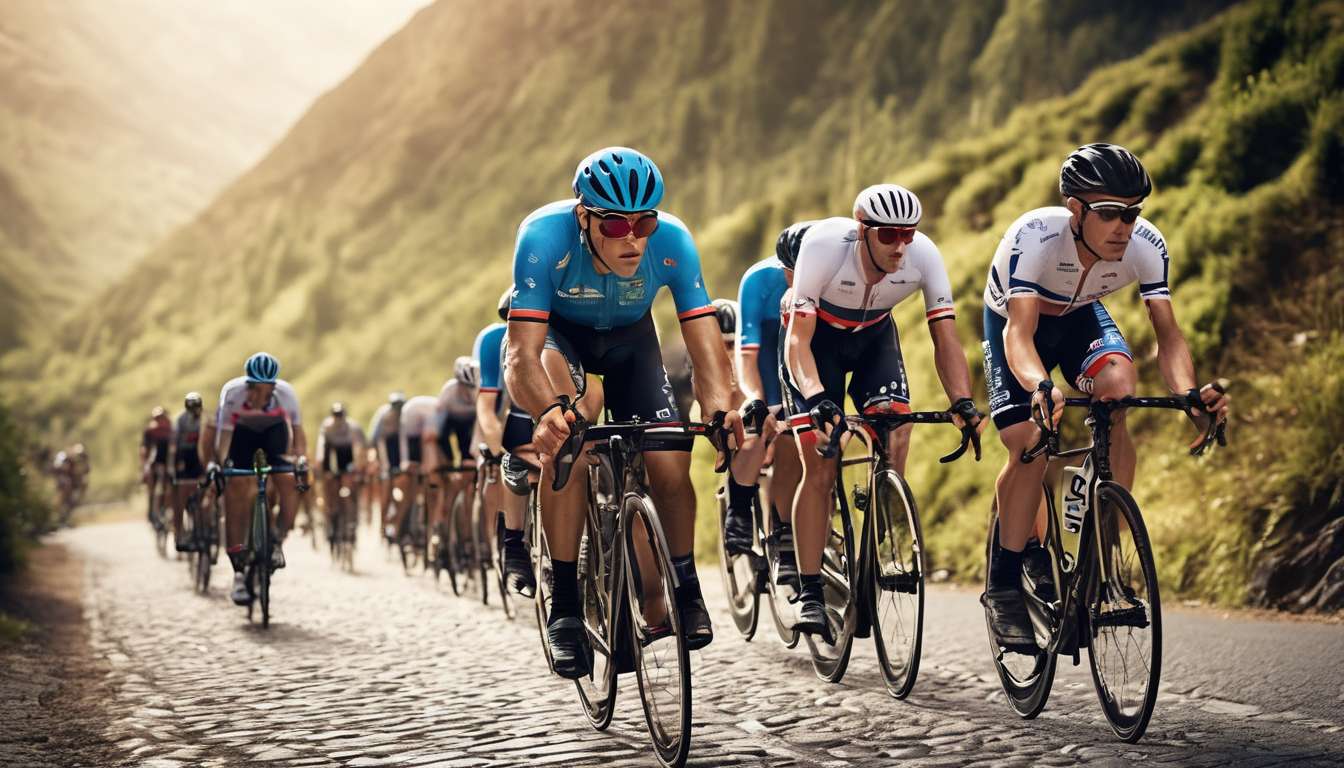
As cycling enthusiasts, we find ourselves captivated by the intense rivalries and diverse challenges presented by both stage races and classic one-day events. Together, we embark on a journey to explore these two distinct facets of professional cycling, using data as our guiding compass.
Our collective fascination with the sport pushes us to delve deeper, analyzing:
- Endurance and Strategy in stage racing.
- Raw Power and Explosiveness in classics.
By examining:
- Historical performances
- Rider statistics
- Race conditions
we aim to uncover insights that highlight the unique demands and skills required for success in each format.
We recognize:
- The emotional and physical toll on the riders
- The tactical brilliance that unfolds with each pedal stroke
Through this data-driven comparison, we seek to enrich our understanding and appreciation of the sport we all cherish, celebrating the differences that make each race an exhilarating spectacle.
Endurance and Strategy in Stage Races
Stage races demand a unique blend of endurance and strategy, challenging riders to carefully manage their energy across multiple days. As we embark on this journey together, we recognize that stage races are a true test of our collective resilience and tactical acumen. It’s not just about who can pedal the fastest, but who can sustain their performance and adapt their strategy to the evolving conditions each day presents.
Building endurance is crucial to withstand the rigors of back-to-back racing days. It’s a shared commitment to push through fatigue and stay mentally sharp. Together, we:
- Analyze each stage
- Formulate strategies that leverage our strengths
- Conserve energy for crucial moments
Our performance hinges on this delicate balance, as we support each other through the climbs, sprints, and flat terrains.
In our cycling community, we thrive by understanding how our shared endurance and strategic planning can lead to success. This approach ultimately fosters a sense of belonging and shared achievement.
Raw Power and Explosiveness in Classics
In the world of cycling, classics demand our raw power and explosive speed to conquer short, intense races. Every pedal stroke counts, and there’s no room for error. Unlike stage races, where endurance and strategy unfold over days, classics focus on delivering peak performance in a single, electrifying event.
We must harness our strength and precision to navigate challenging terrains and unpredictable weather conditions. Our performance hinges on the ability to burst with energy at critical moments, outpacing our rivals in a matter of seconds.
There’s a unique camaraderie in classics, where we support each other in the pursuit of victory. We share the same roads, the same battles, and the same dreams. Together, we develop strategies that maximize our strengths and counter our weaknesses.
By understanding the dynamics of classics, we elevate our collective performance, ensuring that we’re not just participants but contenders, united in the thrill of the race.
Historical Performances Analysis
Throughout the history of cycling, we’ve witnessed remarkable performances in both classics and stage races that continue to inspire and redefine the sport. These events have showcased exceptional endurance, where riders push their physical limits over grueling distances. It’s in these moments that the community comes together, celebrating the sheer determination and grit that characterizes our beloved sport.
In classics racing, performance often hinges on explosive power and strategic positioning.
- Riders must anticipate their rivals’ moves, making split-second decisions that can determine victory or defeat.
- The one-day nature of classics demands an all-or-nothing approach, where strategy is as crucial as physical strength.
Stage races, on the other hand, test endurance over multiple days. Here, strategy takes on a different form, with teams working together to manage energy and resources.
- Each stage contributes to an overall performance, requiring a balance between consistency and calculated risks.
- In both formats, the blend of endurance and strategy creates iconic moments that unite us all.
Rider Statistics Examination
Analyzing rider statistics allows us to uncover the nuances behind their performances in both classics and stage races. These numbers help us understand:
- The endurance each rider brings to the table.
- How they strategically deploy their skills across different race formats.
In classics, riders often focus on short bursts of high energy, showcasing their immediate performance capabilities.
Meanwhile, stage races demand sustained endurance, requiring a different strategic approach that includes:
- Pacing
- Recovery over several days
Riders excelling in classics tend to focus on quick, decisive moves. In contrast, stage racers often rely on a cumulative strategy, conserving energy for key moments.
It’s fascinating to see how statistics bring to light the subtle balance between endurance and strategy inherent in each race type.
As fans, we feel a connection to these athletes, understanding their struggles and triumphs through the lens of cold, hard data.
Together, we celebrate the unique blend of talent and tenacity each rider displays.
Study of Race Conditions
When we examine the myriad race conditions that impact both classics and stage races, we gain a deeper understanding of how weather, terrain, and other variables shape each competition.
In classics:
- Riders often face unpredictable weather, from sudden downpours to gusty winds.
- This demands quick strategic adjustments.
- These races test the ability to maintain peak performance over shorter, intense distances.
Conversely, in stage races:
- They stretch over several days, requiring sustained endurance.
- Terrain varies dramatically, from flat sprints to grueling mountain ascents.
- This compels riders to adapt their strategy daily.
Successful riders in both types of races share a common mastery of these elements. Classics demand bursts of power and tactical acumen, while stage races require consistent energy management and a calculated approach.
As a community of cycling enthusiasts, understanding these dynamics fosters a deeper appreciation for the diverse skills required in each discipline. Together, we celebrate the strategic brilliance and endurance that define our sport.
Emotional and Physical Toll Consideration
Both classics and stage races place a significant emotional and physical toll on riders, demanding resilience and mental fortitude in addition to physical prowess.
Endurance is crucial in cycling. It’s not just about the strength of our legs but the strength of our hearts and minds. We’re united by the shared experience of pushing past limits and supporting each other through the highs and lows.
In classics, the emotional intensity often peaks due to their one-day nature, where:
- Strategy and performance must align perfectly.
- There is immense pressure, knowing there’s only one chance to shine.
Meanwhile, stage races test our collective endurance over several days. The strategy becomes a game of patience and adaptation, where:
- Each stage brings fresh challenges.
- Sustaining peak performance while managing fatigue is essential.
Together, we embrace this demanding journey, knowing that our shared struggles and triumphs create bonds that go beyond the finish line.
Tactical Brilliance Insights
In cycling, tactical brilliance is the linchpin that can transform a grueling race into a triumphant victory. As we navigate the complexities of stage racing and classics, it’s clear that endurance, strategy, and performance are crucial. We’re part of a community that understands the intricacies of these races and the role tactics play.
Classics Demand Swift Decisions:
- The classics require quick and decisive action.
- A single move can determine the outcome.
- Focus is on seizing opportunities amidst the chaos.
Stage Racing Requires Long-Term Strategy:
- Manage endurance over successive days.
- Adapt to varied terrains and conditions.
- Pace ourselves, knowing when to conserve energy and when to unleash our full potential.
- A well-timed attack or a strategic alliance can be the difference between winning and losing.
By embracing these tactical elements, we enhance our performance and share in the collective triumph of our team. Together, we celebrate each calculated victory.
Enriching Understanding Through Data
Leveraging comprehensive data analytics, we can enhance our tactical decisions in both stage races and classics. By dissecting race data, we identify key performance indicators that elevate our endurance and sharpen our strategies. It’s not just about numbers; it’s about understanding how each data point translates into real-world advantages.
In stage races, data helps us pace ourselves across multiple days, ensuring we manage our endurance effectively. We can:
- Track fatigue levels.
- Adapt our strategy accordingly.
This keeps us competitive throughout the event.
Meanwhile, in classics, where every moment counts, data allows us to:
- Analyze competitors’ patterns.
- Anticipate moves.
- Optimize our own performance in real-time.
This shared knowledge fosters a sense of camaraderie among us. We’re not just racing; we’re part of a community that thrives on insights and shared experiences. Together, we push boundaries, using data to transform potential into performance, ensuring we all belong on the podium.
How do training regimens differ between stage race cyclists and classics specialists?
When comparing training regimens between stage race cyclists and classics specialists, we notice distinct approaches.
Stage Racers:
- Focus on endurance and recovery.
- Aim to sustain high performance across multiple days.
Classics Specialists:
- Prioritize explosive power.
- Emphasize shorter, intense efforts to excel in one-day races.
These differences highlight the diverse demands of each cycling discipline and showcase the tailored training methods that cater to the specific requirements of stage racing and classic races.
What role does team support play in the success of cyclists in stage races compared to classics?
Team Support in Cycling
Team support is crucial for cyclists in both stage races and classics.
In Stage Races:
- We rely on our teammates for:
- Protection from the wind
- Pacing
- Strategic moves
In Classics:
- Teamwork is essential for:
- Positioning
- Setting up attacks
- Controlling the race
Conclusion:
Without our team’s support, success would be much harder to achieve in both types of races.
How does equipment choice, such as bike design and materials, influence performance in stage races versus classics?
Equipment Choice in Bike Racing
When it comes to equipment choice, such as bike design and materials, our team believes it plays a crucial role in determining performance differences between stage races and classics.
Key Considerations:
-
The right bike can make all the difference in handling the diverse terrains and challenges each type of race presents.
-
Aerodynamics: Essential for reducing drag and increasing speed, especially important in stage races where time trials may be included.
-
Durability: Key for enduring the rougher terrains often found in classics.
Every detail counts in ensuring our cyclists are well-equipped to excel in both stage races and classics.
Conclusion
You’ve now delved into the world of stage races and classics, comparing the dynamic elements of endurance and strategy against raw power and explosiveness.
By analyzing historical performances, rider statistics, race conditions, and the emotional and physical toll, you’ve gained insights into the tactical brilliance required in each discipline.
Through this data-driven comparison, you’ve enriched your understanding of the distinct challenges and rewards that stage racing and classics uniquely offer.
Key Insights:
-
Stage Races:
- Focus on endurance and long-term strategy.
- Require consistent performance over multiple days.
- Riders must manage physical and mental fatigue.
-
Classics:
- Emphasize raw power and explosiveness.
- Often involve a single-day race with varying conditions.
- Demand quick decision-making and adaptability.
Comparative Analysis:
-
Stage races test a rider’s ability to maintain peak performance over extended periods, while classics highlight the importance of seizing opportunities and making instantaneous strategic choices.
-
The data-driven approach provides a comprehensive view of how each discipline requires different skill sets and mental fortitude.
This exploration not only broadens your appreciation for the sport but also underscores the unique experiences and rewards each type of race offers to both riders and enthusiasts alike.