
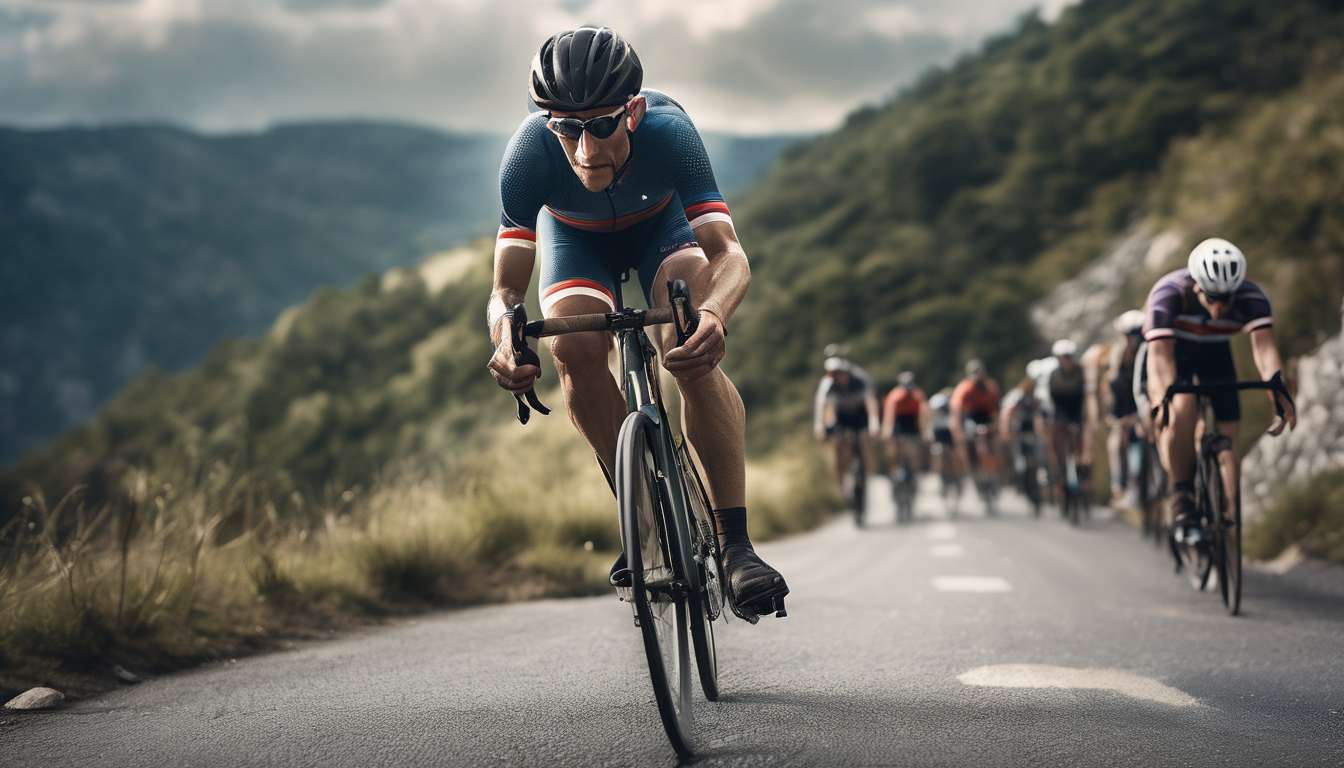
As cycling enthusiasts and analysts, we understand the pivotal role that physical well-being plays in the success of a cyclist’s season. Together, we delve into the intricate tapestry of how injuries influence performance, not only shaping individual careers but also altering team dynamics and competitive landscapes.
Our collective experience tells us that cycling is as much a test of endurance as it is a trial of resilience. When injuries strike, they do more than just sideline a rider; they disrupt training regimens, affect morale, and can ripple across entire teams.
With each race, we see the tangible effects of these setbacks, as athletes battle not just their competitors, but also the limitations imposed by their own bodies.
In this article, we aim to explore the multifaceted impact of injuries, drawing from recent data and expert insights to understand how teams strategize and adapt in the face of these inevitable challenges.
We will cover the following key areas:
-
Impact on Individual Riders
- Physical recovery processes
- Psychological effects and morale
-
Team Dynamics
- Adjustments in team strategy
- Redistribution of roles and responsibilities
-
Competitive Landscapes
- Shifts in competitive advantage
- Long-term implications for career trajectories
By examining these aspects, we hope to provide a comprehensive understanding of the challenges and adaptations in the world of professional cycling.
Physical Recovery Processes
Effective physical recovery processes are critical for cyclists to regain their strength and performance after injuries. As a community of cycling enthusiasts, we understand that a well-structured recovery strategy can make all the difference.
Together, we prioritize methods that not only heal our bodies but also uplift our morale. It’s about finding that balance between physical rehabilitation and mental encouragement, ensuring that we’re not just mending muscles but also boosting spirits.
In our journey, we focus on personalized recovery plans tailored to each cyclist’s needs. We incorporate techniques such as:
- Physiotherapy
- Targeted exercises
- Adequate rest
These components optimize healing.
However, it’s not just about the physical components; our morale is equally important. We:
- Share our progress
- Celebrate small victories
- Support one another through setbacks
This collective approach fosters a sense of belonging and reinforces our shared commitment to bounce back stronger.
By pooling our knowledge and experiences, we create a supportive environment where recovery becomes a shared triumph.
Psychological Effects on Riders
The psychological effects of injuries on riders are profound, impacting not just our physical performance but also our mental resilience and motivation. When we’re sidelined due to injuries, our morale can take a significant hit. The pressure to recover swiftly and rejoin our team is immense, especially when we feel the weight of shared goals and dreams. We often grapple with self-doubt, questioning if we’ll return to our former strength and speed.
Our recovery isn’t just a physical journey—it’s a test of mental fortitude. We must devise a strategy to not only heal but to rebuild our confidence. This means:
- Setting realistic goals.
- Celebrating small victories along the way.
By doing so, we reinforce our sense of belonging within our team and community.
Together, we share stories, offer support, and remind each other of our collective strength. In overcoming these mental hurdles, we emerge not only as better athletes but as more resilient individuals.
Team Strategy Adjustments
When one of our teammates is injured, we must swiftly adapt our team strategy to maintain competitiveness and support their recovery. It’s crucial that we come together and adjust our tactics, ensuring that every member of our team feels valued and essential to our collective success. By doing so, we lift morale and foster a sense of unity, reinforcing that we’re all in this together.
Our strategy involves:
- Assessing the strengths of our remaining riders.
- Devising a plan that maximizes these assets.
- Distributing responsibilities to avoid overwhelming any single individual.
This approach helps us stay competitive, even when facing challenges, by keeping everyone motivated and engaged.
Moreover, prioritizing our injured teammate’s recovery becomes part of our strategic planning. We provide encouragement and support, reminding them that their well-being is vital to our team’s long-term success.
By aligning our strategy with empathy and unity, we maintain our competitive edge and promote a cohesive team spirit.
Role Redistribution within Teams
When a teammate is sidelined, we swiftly redistribute roles to strengthen our team’s dynamics and maintain performance. It’s crucial that we adapt our strategy to ensure everyone feels valued and contributes effectively.
The absence of one can be a chance for another to step up, taking on new responsibilities that help in their growth and the team’s overall success. We’re not just a group of cyclists; we’re a family, and each member’s recovery is as important as winning.
Morale plays a big role in how we handle these shifts. By embracing our new roles, we boost each other’s spirits, creating an environment where everyone feels they belong and are essential.
This shared commitment to our goals ensures that even when one of us is healing, our collective strength doesn’t waver. Through open communication and mutual support, we enhance our strategy, ensuring that our team remains competitive and united, regardless of the challenges we face.
Shifts in Competitive Advantage
When a key competitor faces an injury, we often find unexpected opportunities to enhance our standing in the race. Their absence shifts the competitive landscape, allowing us to reevaluate our strategy and capitalize on new possibilities.
Recovery for the injured is paramount, but meanwhile, we must focus on:
- Bolstering our morale
- Adjusting our tactics
- Seizing the moment
In this shared journey, our sense of belonging grows stronger as we unite to tackle the altered dynamics. We can’t underestimate the power of collective spirit in these times.
Our team discussions become more focused, and our strategies more adaptive, aiming to:
- Fill the gap left by others
- Create our own path to victory
We understand the temporary nature of this advantage and approach it with respect for our competitors’ recovery journey. By embracing flexibility and maintaining high morale, we can navigate these shifts in competitive advantage.
This approach reinforces our place in the cycling community while fostering a supportive environment.
Long-Term Career Implications
Injuries can significantly alter the trajectory of a cyclist’s career, impacting both their physical capabilities and long-term competitive opportunities. As a community, we’ve witnessed how the path to recovery demands not just physical resilience but an adaptive strategy that often reshapes a cyclist’s entire career.
It’s crucial for us to support each other through these challenges, recognizing that morale is as vital as any training. Our shared experiences tell us that maintaining high spirits and a focused mindset can make the difference between a comeback and a career decline.
We must rally around those facing setbacks, emphasizing that their journey back is also a journey forward. By crafting a well-rounded recovery strategy, we can help each other adapt to new realities, ensuring that injuries become a chapter in our stories, not the end.
Together, we embrace resilience, knowing that our sense of belonging strengthens our resolve to overcome and succeed.
Training Regimen Disruptions
Training regimen disruptions can drastically affect our progress and require us to adapt quickly and efficiently.
When injuries strike, they force us to hit pause on our carefully planned routines, and we must shift our focus to recovery. We can’t help but feel the weight of the interruption as it challenges our morale. However, it’s in these moments that our resilience shines through. Recovery isn’t just about healing physically; it’s about crafting a new strategy that aligns with our current capabilities.
Our team becomes our lifeline, providing support and motivation as we navigate this uncertain terrain. Together, we brainstorm methods to maintain as much of our fitness as possible.
- Adjusting our nutrition
- Incorporating alternative exercises
- Scheduling rest strategically
Each step is taken with the bigger picture in mind. We lean on each other, knowing this shared journey strengthens our sense of belonging and fuels our collective determination to return stronger.
Morale Impact on Cycling Teams
Injuries can cast a shadow over a cycling team’s morale, but our collective spirit and shared goals often help us overcome these challenges. As teammates, we rally around the injured member, offering support and encouragement. Our shared commitment to recovery becomes a powerful motivator, reminding us of the strength found in unity.
We adapt our strategy to ensure everyone feels valued and integral to the team’s success.
Morale isn’t just about staying positive; it’s about embracing each obstacle with resilience. When injuries occur, we don’t just focus on the physical recovery of the affected cyclist. We also address the emotional and psychological impacts, understanding that a well-rounded strategy includes mental fortitude.
- Team meetings become opportunities to:
- Reinforce our bond
- Celebrate small victories
- Plan for the road ahead
By fostering an environment where everyone feels supported, we strengthen our morale. This ensures that we’re ready to face any challenge together, as a cohesive, resilient unit.
How do weather conditions contribute to the likelihood of injuries during a cycling season?
Weather conditions play a crucial role in the likelihood of injuries during a cycling season.
Slippery Roads:
- Rainy or icy conditions can make roads slippery, increasing the risk of accidents.
Wind Effects:
- Strong winds may affect balance and control, leading to potential falls.
Extreme Temperatures:
- Extreme temperatures can impact rider fatigue and hydration levels, influencing their ability to react quickly.
Mitigation Strategies:
- It is important for cyclists to adapt their riding techniques and equipment to mitigate these weather-related injury risks.
What advancements in equipment technology have been made to reduce injury risks in cycling?
We’ve seen some remarkable advancements in equipment technology to enhance safety in cycling.
Innovations include:
- Impact-absorbing materials in helmets and protective gear
- Improved brake systems
- Enhanced suspension on bikes
These developments have significantly reduced injury risks.
They not only make us feel more secure on the road but also give us the confidence to push our limits without compromising our safety.
How do cycling injuries impact sponsorship deals and financial earnings for riders?
When injuries occur in cycling, they can have a significant impact on sponsorship deals and financial earnings for riders.
Key Effects of Injuries on Sponsorships:
- Sponsors often seek consistent performance and visibility.
- An injured rider may be sidelined, reducing their exposure and marketing opportunities.
This situation can lead to:
- Potential loss of income for the rider.
- Decreased opportunities for both the rider and their sponsors.
Conclusion:
Injury prevention is crucial to maintain successful partnerships and ensure continued financial support.
Conclusion
In conclusion, injuries in cycling not only affect individual riders’ performance but also have ripple effects on team dynamics, strategy, and morale.
The physical and psychological aspects of recovery, as well as the long-term career implications, highlight the complex nature of dealing with injuries in this sport.
From training disruptions to role redistributions, the impact of injuries underscores the need for:
- Resilience
- Adaptability
These qualities are essential in the competitive world of cycling.